



Fired During a Commercial Break: What ESPN’s Layoff of Ryan Clark Teaches Every Small Business Owner
How you let someone go says as much about your business as how you hire them (and it could play a huge part in whether you get sued).
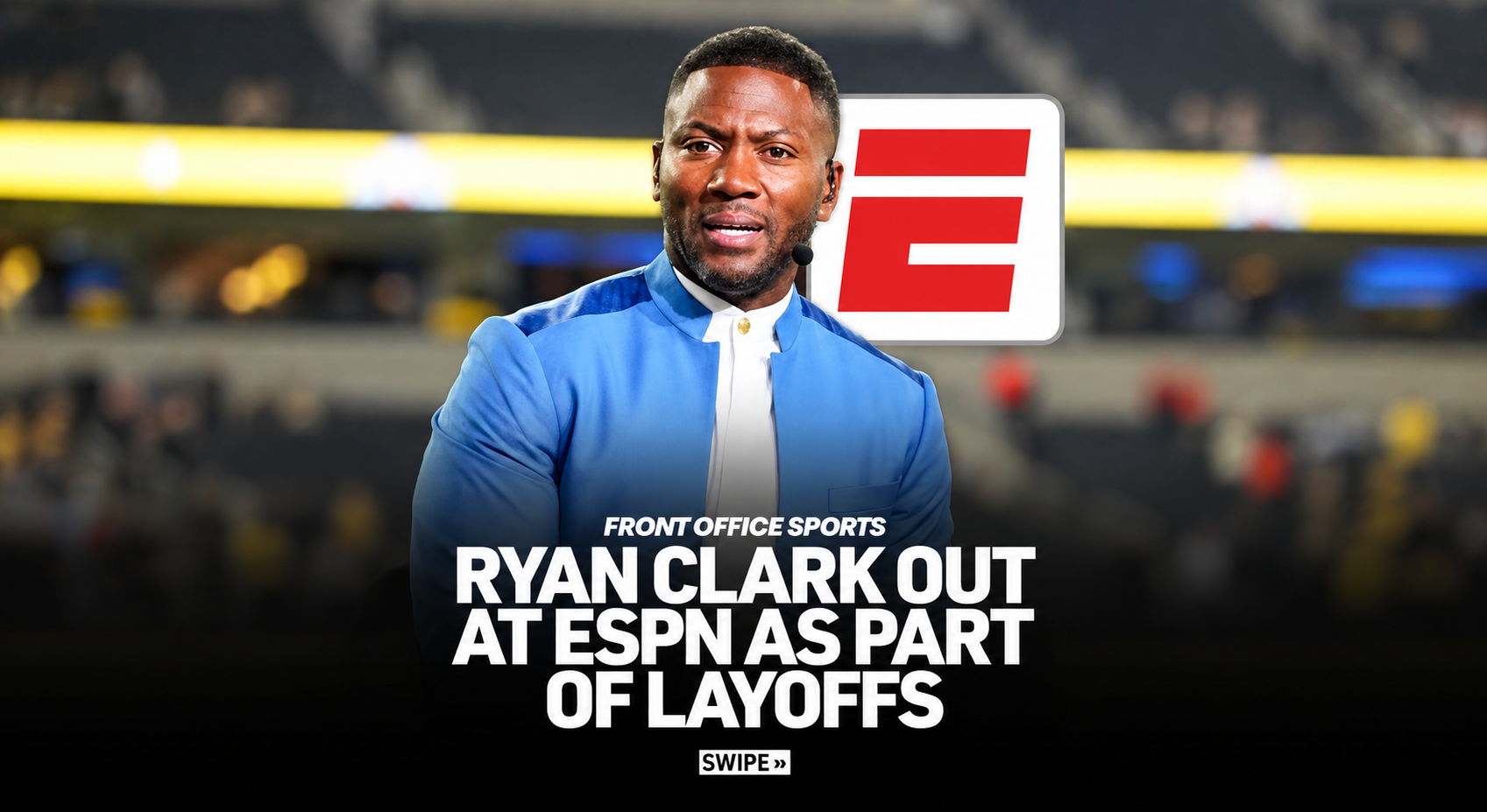
This summer, ESPN laid off a group of on-air and behind-the-scenes staff as part of its integration with NFL Network. Several long-time personalities and well-known names were cut. But the story everyone talked about was how Ryan Clark, former Super Bowl champion and longtime ESPN analyst, found out.
He was told during a commercial break, in the middle of a live show.
ESPN had planned to tell him the next day, along with everyone else. But reporters were already asking questions, and the network worried Clark would read about his own firing online before anyone told him. So they told him on set, mid-broadcast. He never went back on the air.
Somebody talked. Information about who’s being let go doesn’t reach reporters on its own. And once it’s out, you’re no longer choosing how the news gets delivered. You’re reacting.
That’s embarrassing for Ryan Clark and embarrassing for the ESPN brand. It’s even harder to watch when you set it next to ESPN’s own memo about the layoffs, which said the company was “committed to treating employees with compassion and respect.” Those are the right words. The commercial break was the wrong action.
Layoffs are not water-cooler news
Leaders tend to forget this. Conducting layoffs may be the result of legitimate business issues, but they are a sacred exercise: at the end of a layoff conversation, someone has to go home and tell the people they love that they no longer have a job. The identity they’ve spent years or decades building just changed. Their financial stability just got rocked.
That’s not idle chatter. It deserves care.
What this looks like in your business
Sometimes you have to reduce staff to keep your business healthy. That’s a legitimate business decision. But the moment a layoff is on the table, every manager, every VP, and every person with a title wants to know who, when, and why, even when they have no operational reason to know before it happens.
And here’s a tough truth: those names on the list are often dynamic, frequently changing. During the course of my career, I’ve repeatedly seen the names on a list change, making the impact of idle gossip even more harmful.
The more people who know early, the more likely it leaks, turns into gossip, or gets delivered by the wrong person at the wrong moment.
Layoffs are hard and often necessary. There’s a better way to do them.
- Lock the need-to-know circle.
Only the people carrying out the layoff should know names and dates ahead of time: you, HR, your legal partner if you’ve been working with one, and the direct manager if necessary. Not the whole leadership team “just because.” Every extra person in the loop is another chance for a leak, and a leak is exactly what put Ryan Clark in that commercial break. - Script the conversation and have the logistics ready before you walk in.
Decide who’s delivering the news, where, and what you can answer on the spot: last day, final paycheck, benefits, severance. If you walk into a layoff meeting without answers, the employee has to sit in uncertainty on top of the loss itself. - Decide your notification order and protect it.
Affected employees hear it first, privately, before anyone else in the company, including their own team. No one should learn they’ve lost their job from a coworker, a headline, or, worst case, on live TV. - Document your selection criteria before you choose names.
After his exit, Clark said publicly that he believed the layoffs were used as cover to push him out without cause. Whether or not that’s true at ESPN, it’s the claim you want to avoid in your business. If a layoff looks like a convenient way to remove one particular person, you’ve invited a discrimination or retaliation claim. Have a documented business rationale driving the decision, write down why positions are being eliminated, and apply the same criteria to everyone, before a single name goes on the list. You should be looking at roles, not people.
The legal checklist before you announce
Handling a layoff with dignity is only half the job. The other half is making sure it holds up legally. Before you announce anything, confirm:
- Notice requirements. The federal WARN Act generally requires 60 days’ notice for larger layoffs at employers with 100 or more employees, and several states have their own versions with lower thresholds and longer notice periods.
- Final pay deadlines. Every state sets its own deadline for a departing employee’s final paycheck, and some include accrued vacation.
- Severance agreements and releases. If any affected employee is 40 or older and you’re asking them to sign a release in exchange for severance in a group layoff, federal law requires specific disclosures, 45 days to consider the agreement, and 7 days to revoke it after signing. Get this wrong and the release may not protect you.
- Consistency. Look at who’s on the list. If the group skews toward one age, race, gender, or people who recently complained or took leave, stop and get advice before you move forward.
The bottom line
ESPN is a massive company with decades of brand equity, and it still got this wrong. Your business doesn’t get that kind of mulligan. Your reputation with your remaining team, your customers, and future hires depends on how you treat people on the way out. Handle this poorly, and an impacted employee who feels that their short-term employment prospects are poor, may turn their anger towards your organization for poorly handling the RIF.
Getting this process right before you need it is exactly the kind of proactive HR work that protects your people and your business. If a reduction in force is on your horizon, or might be, schedule a consultation and let’s build the plan before the list exists.
Aisha Jorge Massengill, Esq., SHRM-SCP, is the founder of Sedgwick Andrews Legal & Consulting, a fractional general counsel firm serving small businesses and nonprofits.
Watch the Friday Legal Fix video version of this post on YouTube..
