


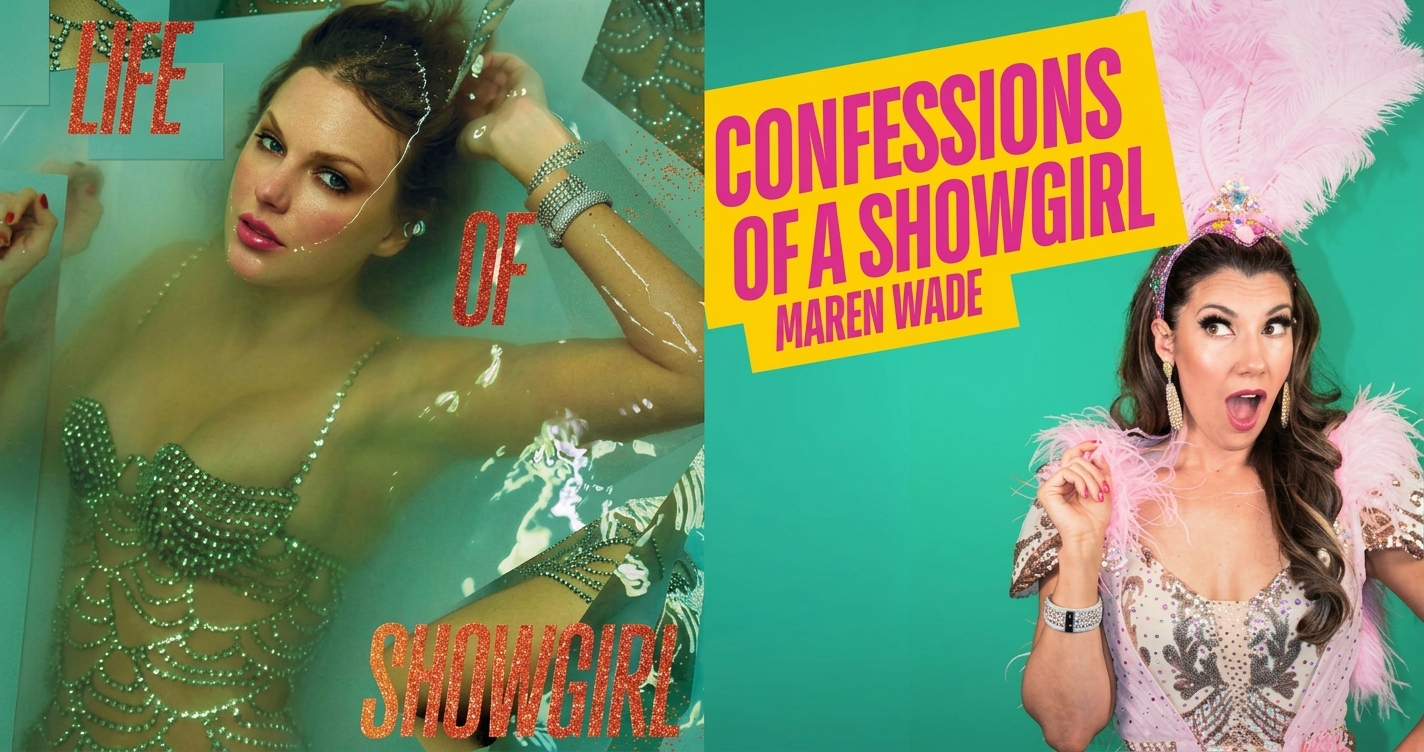
Trademarks: What Taylor Swift’s “Showgirl” Lawsuit Teaches Small Business Owners
Bottom line: fame doesn’t win trademark disputes. Using the name first, using it in commerce, and registering it does.
Taylor Swift has one of the best-resourced legal teams on the planet. She is also, as of this year, a defendant in a federal trademark lawsuit over the word “Showgirl.” If it can happen to her, it can happen to your business.
The story
Maren Wade is a Las Vegas performer who says she has used “Showgirl” in her brand for twelve years, and that she has it federally registered. When Swift’s album The Life of a Showgirl hit merchandise shelves, Wade sued in federal court in California in March 2026. Her claim: customers were getting confused about who was behind what.
A quick note before anyone picks a side. These are allegations, and the court hasn’t decided anything. Swift’s team will have defenses. But you don’t need to wait for a verdict to learn from this one.
Four lessons for your business
- Fame doesn’t establish first use. Trademark rights come from using a name in commerce, not from being the bigger name. If someone was selling under that name before you, size doesn’t fix that.
- Merchandise changes the conversation. Courts are often reluctant to let someone own the title of a single creative work, like one album or one book, but that protection shrinks when the name is used to identify who makes a product. Printing a name on a t-shirt or tote bag doesn’t automatically make it a trademark. If it’s just a decorative design, it may be treated as ornamental, not as a brand. But if the name is also used the way brands are used, on tags, labels, packaging, or across a product line, a plaintiff can argue it’s identifying the source, and that’s where a creative title can get pulled into trademark territory.
- A federal registration is real leverage. It puts the world on notice and gives the owner a much stronger starting position. Wade’s registration is a big reason her claim has teeth.
- The test is confusion, not copying. Nobody has to prove you copied them. The question is whether customers are likely to think the two products come from the same place. You can land in court without ever meaning to step on anyone.
What this looks like in your business
Here’s the deal: most of the business owners I talk to chose their name because they loved it. Not because anyone searched it. Same goes for the tagline, the product line, the program name that took off after one great launch.
So take inventory. Ask yourself:
- Has my business name been searched and cleared, or did I just check that the domain was available?
- Do my tagline, product names, and program names have the same protection?
- Am I about to put a name on merchandise, packaging, or a course that I haven’t had cleared?
- Is anything I rely on still unregistered?
If you can’t say yes to the first one, that’s your starting point.
The bottom line
Taylor Swift can afford a long fight in federal court. Most small businesses can’t, and don’t get to pretend they didn’t know. A trademark search before you launch and a registration after you do cost a fraction of defending, or losing, a lawsuit over a name you built your brand on.
If you have a name, tagline, or product line you haven’t had cleared, schedule a consultation and let’s get it protected before it becomes somebody else’s lawsuit.
Reach out to me at Sedgwick Andrews, and let’s make sure the deal in front of you is one you can live with.
Aisha Jorge Massengill, Esq., SHRM-SCP, is the founder of Sedgwick Andrews Legal & Consulting, LLC. This post is for general information and is not legal advice.
